
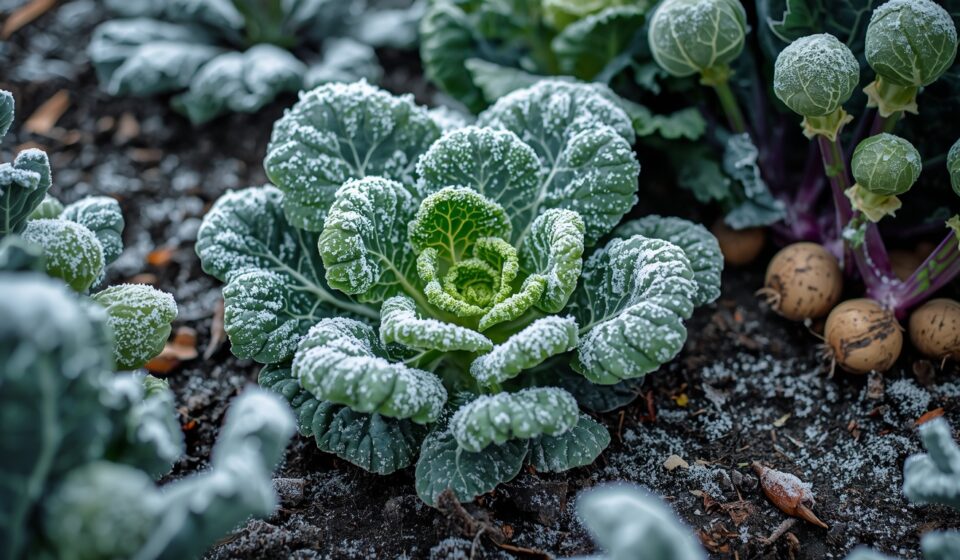
10 Vegetables You Can Still Grow in Winter (Cold Climate Guide)

10 Vegetables You Can Still Grow in Winter (Cold Climate Guide)
Think gardening ends when temperatures drop? Think again! Winter doesn’t have to mean an empty garden bed. In fact, some of the most flavorful, nutrient-dense vegetables actually prefer the cold. Whether you’re dealing with light frosts or heavy snow, there are plenty of hardy vegetables that will not only survive but thrive through winter.
Table Of Content
- Why Grow Vegetables in Winter?
- 1. Kale: The Ultimate Winter Warrior
- 2. Spinach: Fresh Greens All Winter
- 3. Carrots: Sweeter After Frost
- 4. Brussels Sprouts: Peak Flavor in Cold Weather
- 5. Leeks: Mild and Delicious
- 6. Garlic: Plant in Fall, Harvest in Summer
- 7. Swiss Chard: Colorful and Cold-Tolerant
- 8. Cabbage: Dense Heads That Improve with Cold
- 9. Parsnips: Sweet Winter Roots
- 10. Winter Lettuce: Yes, It’s Possible!
- Essential Winter Gardening Tips
- Final Thoughts
In this guide, we’ll walk you through 10 vegetables perfect for winter gardening, complete with planting tips, care instructions, and everything you need to know to enjoy fresh homegrown produce all season long.
Why Grow Vegetables in Winter?
Before we dive into specific vegetables, let’s talk about why winter gardening is worth the effort:
Sweeter flavors: Cold temperatures trigger many vegetables to convert starches into sugars as a natural antifreeze, resulting in sweeter, more flavorful produce. Kale, for example, tastes significantly better after a frost.
Fewer pests: Most garden pests disappear or become inactive in cold weather, meaning less damage to your crops and fewer pest control headaches.
Continuous harvest: With proper planning, you can harvest fresh vegetables throughout winter instead of relying solely on stored summer produce.
Better nutrition: Freshly harvested winter vegetables retain more nutrients than stored vegetables that have been sitting for weeks or months.
1. Kale: The Ultimate Winter Warrior
Kale is practically synonymous with winter gardening, and for good reason. This nutrient powerhouse can withstand temperatures down to 10°F (-12°C) and actually becomes sweeter after frost exposure.
Planting: Sow seeds 6-8 weeks before your first expected frost, or transplant seedlings 4-6 weeks before frost. Space plants 12-18 inches apart.
Care tips: Kale needs full sun but tolerates partial shade. Water regularly until the ground freezes. Apply a 2-3 inch layer of mulch around plants to protect roots and retain moisture.
Harvest: Pick outer leaves first, leaving the center to continue growing. Harvest after a light frost for the best flavor. In mild winters, kale will produce new leaves throughout the season.
Best varieties: ‘Winterbor’, ‘Red Russian’, and ‘Lacinato’ (also called Dinosaur Kale) are all extremely cold-hardy.
2. Spinach: Fresh Greens All Winter
Spinach is surprisingly cold-tolerant and can survive temperatures as low as 15°F (-9°C) with minimal protection. It’s perfect for salads, smoothies, and cooked dishes.
Planting: Direct sow seeds in late summer or early fall, about 6-8 weeks before the first hard frost. Plant seeds ½ inch deep and 2 inches apart in rows.
Care tips: Spinach grows best in full sun to partial shade. Keep soil consistently moist but not waterlogged. In very cold climates, cover with row covers or a cold frame for extended harvest.
Harvest: Begin harvesting when leaves reach 3-4 inches long. Cut outer leaves or harvest the entire plant. Spinach may slow growth in deep winter but will resume in late winter/early spring.
Best varieties: ‘Winter Bloomsdale’, ‘Tyee’, and ‘Space’ are bred specifically for cold weather performance.
3. Carrots: Sweeter After Frost
Carrots left in the ground through winter develop an incredibly sweet flavor as they convert starches to sugar. They can tolerate temperatures down to 15°F (-9°C) when mulched properly.
Planting: For winter harvest, plant carrots in mid to late summer (70-80 days before your first hard frost). Sow seeds ¼ inch deep in loose, well-drained soil.
Care tips: Carrots need full sun and loose soil free of rocks and clumps. Once temperatures consistently drop below 40°F (4°C), apply 10-12 inches of straw or leaf mulch over the carrot bed. This insulates roots and keeps soil workable for harvest.
Harvest: You can harvest throughout winter by pulling back mulch, digging carrots as needed, then replacing the mulch. Harvest before spring warmth triggers new growth, which makes carrots woody.
Best varieties: ‘Napoli’, ‘Bolero’, and ‘Yellowstone’ handle cold weather exceptionally well.
4. Brussels Sprouts: Peak Flavor in Cold Weather
Brussels sprouts are one of the few vegetables that actually require frost to develop their best flavor. They can handle temperatures as low as 0°F (-18°C).
Planting: Start seeds indoors 4-6 months before your first expected frost, then transplant seedlings to the garden 3-4 months before frost. Space plants 18-24 inches apart.
Care tips: Brussels sprouts need full sun and rich, well-drained soil. Water deeply once or twice per week. The plants are tall and top-heavy, so stake them to prevent wind damage.
Harvest: Wait until after several hard frosts for the sweetest flavor. Harvest from the bottom of the stalk upward, twisting sprouts off when they reach 1-2 inches in diameter. You can harvest well into winter.
Best varieties: ‘Long Island Improved’, ‘Diablo’, and ‘Rubine’ (a beautiful purple variety) are all excellent cold-weather performers.
5. Leeks: Mild and Delicious
Leeks are incredibly cold-hardy, surviving temperatures well below 0°F (-18°C) with proper mulching. They provide a mild, sweet onion flavor perfect for winter soups and stews.
Planting: Start seeds indoors 10-12 weeks before your last spring frost, or purchase transplants. Set transplants 6 inches apart in trenches 6 inches deep. As they grow, gradually fill in the trench to blanch the stalks.
Care tips: Leeks prefer full sun and consistent moisture. Mulch heavily (8-12 inches) before the ground freezes to keep soil accessible for winter harvest. They’re practically maintenance-free once established.
Harvest: Leeks are ready to harvest when the stalks reach 1 inch in diameter (usually 90-120 days from transplanting). They’ll hold in the garden all winter, so harvest as needed.
Best varieties: ‘King Richard’, ‘Bleu de Solaise’, and ‘Bandit’ are bred for cold tolerance.
6. Garlic: Plant in Fall, Harvest in Summer
While you won’t harvest garlic until summer, fall is the essential planting time for this winter-hardy crop. Garlic actually needs cold weather to develop properly divided bulbs.
Planting: Plant individual cloves 4-6 weeks before the ground freezes (typically October-November in most regions). Plant pointed end up, 2 inches deep and 6 inches apart.
Care tips: Choose a sunny spot with well-drained soil. After planting, cover the bed with 4-6 inches of straw mulch to protect cloves through winter. Remove mulch in early spring when shoots emerge.
Harvest: Garlic scapes (flower stalks) appear in late spring and make excellent eating. Harvest bulbs in mid-summer when half the leaves have turned brown.
Best varieties: Hardneck varieties like ‘Music’, ‘German Extra Hardy’, and ‘Chesnok Red’ are bred for cold climates and have superior flavor.
7. Swiss Chard: Colorful and Cold-Tolerant
Swiss chard is one of the most beautiful vegetables you can grow, with vibrant stems in red, yellow, orange, and white. It tolerates light to moderate frosts (down to 15-20°F / -9 to -7°C).
Planting: Direct sow seeds 6-8 weeks before the first frost, planting seeds 1 inch apart and ½ inch deep. Thin seedlings to 6 inches apart once they emerge.
Care tips: Chard grows well in full sun to partial shade. Keep soil consistently moist. In colder climates, protect with row covers or a cold frame to extend the harvest season.
Harvest: Begin harvesting outer leaves when they reach 6-8 inches tall. The plant will continue producing new leaves from the center throughout fall and into winter (depending on your climate).
Best varieties: ‘Bright Lights’ offers rainbow-colored stems, while ‘Fordhook Giant’ is known for cold tolerance.
8. Cabbage: Dense Heads That Improve with Cold
Cabbage is exceptionally frost-tolerant, surviving temperatures down to 20°F (-7°C) without protection. Cold weather makes cabbage sweeter and more tender.
Planting: For fall/winter harvest, transplant seedlings to the garden 6-8 weeks before your first expected frost. Space plants 12-18 inches apart depending on variety.
Care tips: Cabbage needs full sun and consistent moisture. Apply mulch to retain moisture and regulate soil temperature. Watch for cabbage worms and aphids in fall.
Harvest: Harvest when heads feel firm and solid. Cabbage can withstand several frosts and even light freezes. In mild climates, heads will hold in the garden all winter.
Best varieties: ‘January King’ (beautiful purple-tinged leaves), ‘Winterbor’, and ‘Deadon’ are bred for cold weather.
9. Parsnips: Sweet Winter Roots
Parsnips are the ultimate winter vegetable, developing incredible sweetness after exposure to frost. They’re hardy to 0°F (-18°C) and can overwinter in the ground in many climates.
Planting: Sow seeds in early to mid-summer for winter harvest (parsnips need 100-120 days to mature). Plant seeds ½ inch deep and thin seedlings to 3-4 inches apart.
Care tips: Parsnips need deep, loose soil and full sun. They require little care once established. Mulch heavily (10-12 inches) before the ground freezes to make winter harvesting easier.
Harvest: Don’t harvest until after several hard frosts—this is when parsnips develop their signature sweet flavor. You can leave them in the ground all winter and harvest as needed, or dig them all in early spring before new growth begins.
Best varieties: ‘Gladiator’, ‘Hollow Crown’, and ‘Andover’ are reliable performers.
10. Winter Lettuce: Yes, It’s Possible!
While not as hardy as kale or spinach, certain lettuce varieties can survive surprisingly cold temperatures (down to 20-25°F / -7 to -4°C) especially with protection.
Planting: Sow cold-hardy lettuce varieties 4-6 weeks before your first frost. Plant in a cold frame, tunnel, or protected area for best results.
Care tips: Lettuce prefers partial shade in fall/winter. Keep soil moist but not soggy. Protect from harsh winds and heavy snow with row covers or a cold frame.
Harvest: Pick outer leaves as needed, or harvest entire heads. Growth will slow or stop in the coldest months but often resumes in late winter.
Best varieties: ‘Winter Density’, ‘North Pole’, and ‘Arctic King’ are bred specifically for cold weather growing.
Essential Winter Gardening Tips
To maximize success with winter vegetables, keep these tips in mind:
Mulch is your friend: A thick layer of straw, leaves, or other organic mulch protects roots, regulates soil temperature, and keeps soil workable for harvesting. Apply 4-12 inches depending on your climate and crop.
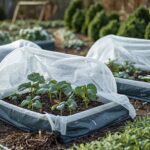
Use season extenders: Row covers, cold frames, and low tunnels can add 4-6 weeks to both ends of your growing season and protect crops from harsh weather.
Water before hard freezes: Well-hydrated plants tolerate cold better than dry plants. Water thoroughly a day or two before an expected hard freeze.
Harvest before severe cold: While these vegetables tolerate cold, extreme cold snaps (below 0°F / -18°C) can damage even hardy crops. Harvest before severe weather or add extra protection.
Time your planting: Most winter vegetables need to mature before hard winter sets in. Count backward from your first expected frost date to determine planting times.
Final Thoughts
Winter gardening opens up a whole new world of fresh, flavorful produce when you need it most. These 10 vegetables are perfect for beginners and experienced gardeners alike, offering reliable harvests through the cold months.
The key to success is proper timing, adequate protection, and choosing the right varieties for your climate. Start with a few of these vegetables this fall, and you’ll be amazed at how much fresh food you can grow even in the depths of winter.
Ready to expand your winter garden? Check out our guide on protecting your garden from frost, or explore our complete seasonal gardening calendar for year-round harvests!