
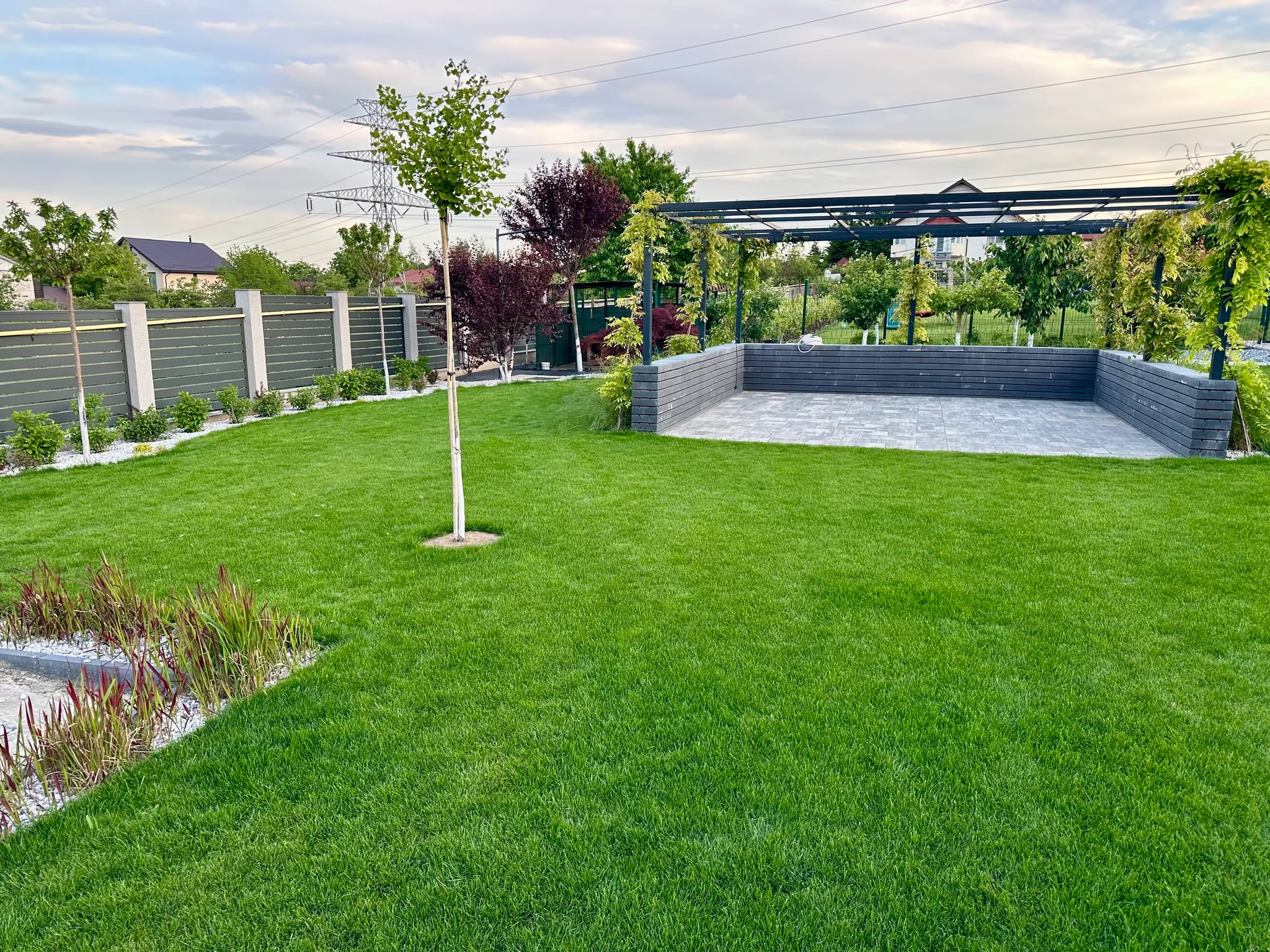

Before you plant a single seed, a smart garden layout can save you time and effort. Learn how to map out garden beds, walkways, and focal points to make the most of your outdoor space.
Table Of Content
🧠 1. Why Planning Is Essential
A well-thought-out garden plan helps prevent overcrowded beds, awkward pathways, and inefficient use of space. It ensures your garden not only looks beautiful but also functions smoothly—from watering and weeding to harvesting and relaxing.
Good planning also allows you to take seasonal changes, sunlight patterns, and plant growth habits into account, making your garden easier to maintain and more productive over time.
🗺️ 2. Start with a Sketch
Grab a notebook or use a garden planner app to create a basic outline of your space. Include existing elements like:
- Trees, fences, and walls
- Water spigots or irrigation systems
- Areas with full sun, partial shade, or full shade
- Slope or drainage zones
Label these clearly. Even a rough sketch gives you a framework to build your design on and helps visualize how everything will fit together.
🌞 3. Understand Your Light and Soil Conditions
Sunlight and soil are two major factors that affect what you can grow and where:
- Sunlight: Track how sunlight moves through your garden during the day. Note where the sun hits hardest and where shadows fall. Full-sun areas are great for veggies and flowers; shady corners suit ferns or hostas.
- Soil: Test for pH, texture, and drainage. Sandy soil drains quickly, while clay holds moisture. You can improve your soil with compost, but knowing its type will help you plan beds correctly.
Placing the right plant in the right spot means less frustration and more success.
🛤️ 4. Design with Flow and Function in Mind
Think of your garden like a room. You need open space to move and areas that serve different purposes. Ask yourself:
- Where will I walk or wheel a cart?
- Do I want a seating area or reading nook?
- How will I access each bed for planting and maintenance?
Paths and walkways should be at least 2–3 feet wide and made of gravel, mulch, pavers, or stepping stones. Consider creating natural divisions between zones: a veggie patch, a flower bed, or a sensory corner with herbs and fragrant plants.
🎯 5. Add Focal Points and Visual Balance
Focal points draw the eye and give your garden structure. These could be:
- A bench under a tree
- A birdbath or small fountain
- A trellis covered in climbing roses
- A bold plant with colorful foliage
Use symmetry and repetition to balance your layout. For example, planting the same shrub on both sides of a pathway can create harmony.
Mix heights and textures for visual interest—tall sunflowers at the back, mid-sized flowers in the middle, and low-growing ground covers in front.
🌼 6. Choose the Right Plants for Your Style
Once you have the structure in place, you can pick plants based on:
- Color palette: Do you want calming greens and whites or bold reds and purples?
- Bloom time: Stagger bloom periods so something is always flowering.
- Maintenance level: Low-maintenance plants like lavender, sedum, and ornamental grasses save time.
Don’t forget edible options—herbs and vegetables can be just as decorative as flowers.
🛠️ 7. Consider Practical Features
Here are a few additions that make your garden more enjoyable and manageable:
- Raised beds: Great for drainage, accessibility, and pest control.
- Compost bin: Turns kitchen scraps into garden gold.
- Rain barrel: A sustainable water source.
- Outdoor lighting: Adds beauty and functionality after dark.
You can also plan for future expansions—leave room for a greenhouse, shed, or new plantings down the line.
🪴 Final Thoughts
Designing a garden is about more than aesthetics—it’s about creating a space that works for your lifestyle and brings you joy year-round. With a clear plan in hand, you’ll reduce trial and error and enjoy watching your vision come to life.
Take the time to plan it right, and your garden will reward you for years to come.